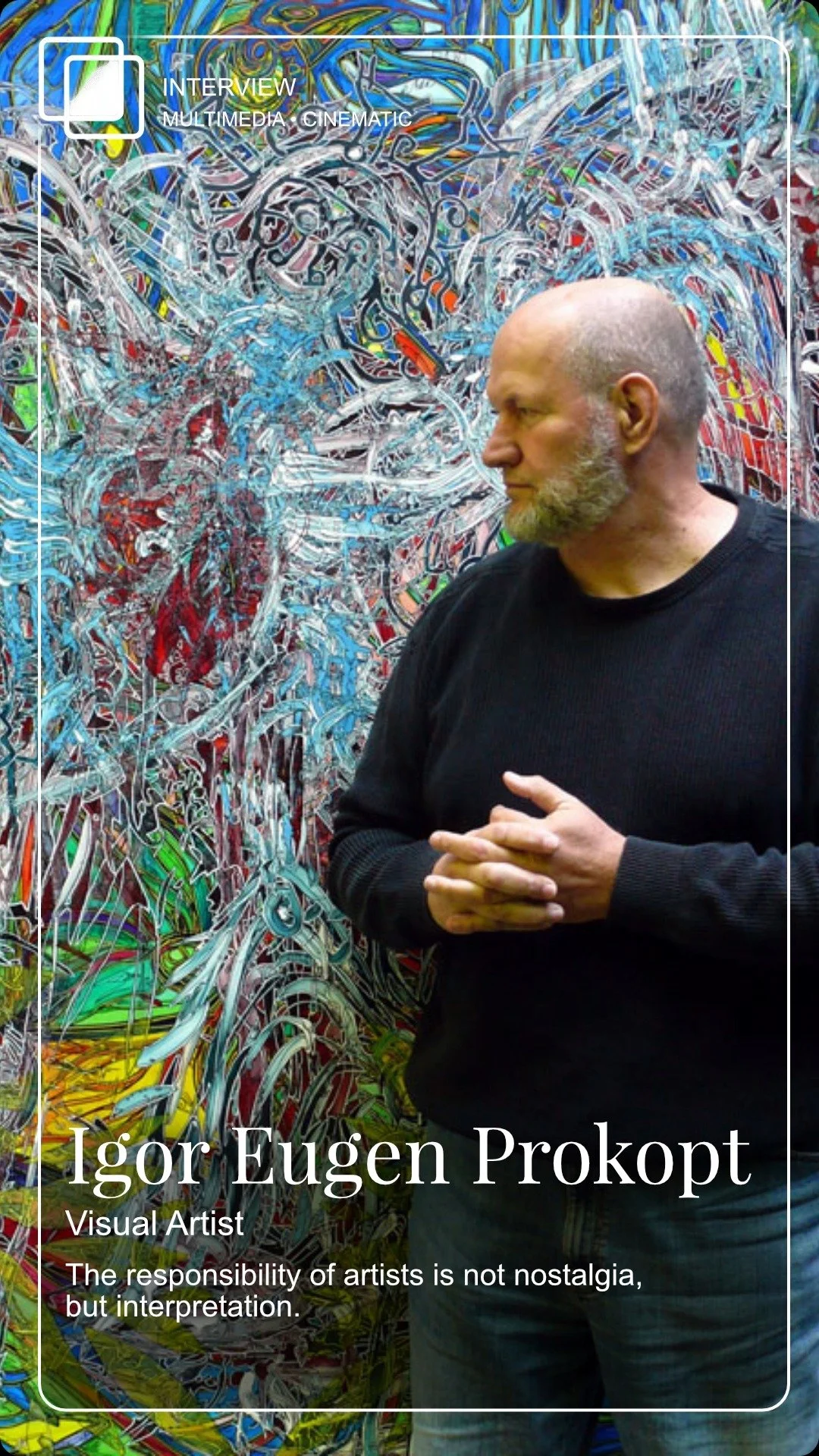
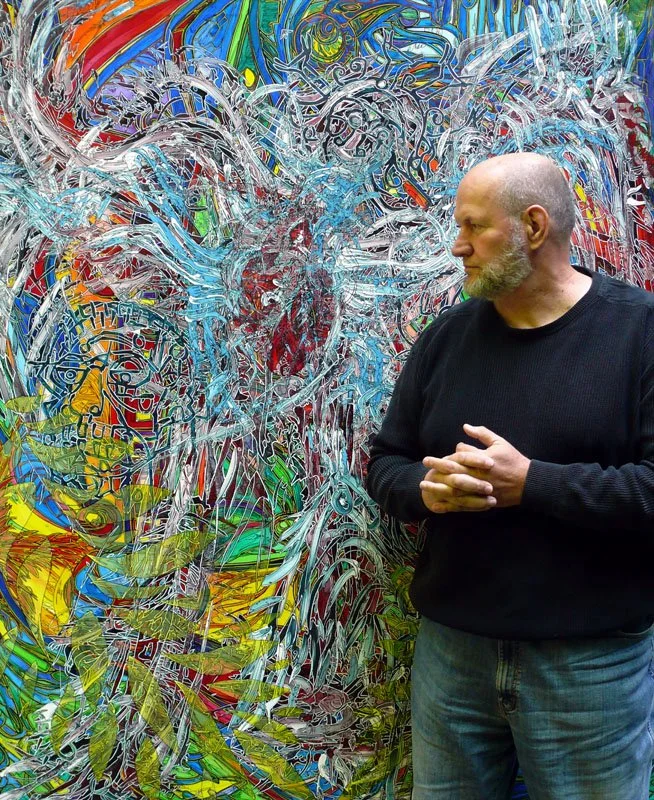
Prokop Igor Eugen: Me and my heart
MUSE.TV — Artist Page
Igor Eugen Prokop
Nature, Man, Responsibility
Igor Eugen Prokop is a Hungarian, Budapest-born artist whose work stands at the intersection of biology, philosophy, travel, and moral inquiry. Born in 1953, Prokop’s artistic vision has been shaped by a lifelong engagement with natural systems, human behavior, and the fragile equilibrium between culture and environment. His paintings are not merely visual compositions; they are philosophical ecosystems—complex, layered, and insistently interconnected.
Educated as both a biologist and visual artist, Prokop graduated as a teacher of biology and drawing in 1978, later studying biology, philosophy, film aesthetics, and design across several decades. His academic background informs an artistic language that is deeply analytical yet emotionally charged. Through mosaic-like structures, cellular patterns, and rhythmic color systems, he renders nature not as a backdrop to humanity, but as a living intelligence in which humanity is only one component.
Travel has been central to Prokop’s artistic evolution. His journeys across Cuba, Mongolia, the Pacific Islands, Indonesia, Africa, Australia, New Zealand, the Americas, and Europe functioned as extended field studies—observations of ecosystems, cultures, and the accelerating consequences of human intervention. Encounters with dying coral reefs, devastated island habitats, and vanishing biodiversity profoundly influenced his work, transforming aesthetic inquiry into ethical urgency.
At the core of Prokop’s practice lies a conviction: nothing exists in isolation. Every system—biological, social, psychological, spiritual—is interdependent. His works examine both the brilliance and the failure of human civilization, addressing themes of responsibility, misbehavior, enlightenment, and legacy. The artist repeatedly asks not only what we are, but what we are leaving behind.
Prokop’s visual language is informed by his parallel work with glass over two decades. From lead glass and Tiffany techniques to advanced fusing processes, he developed a structural sensitivity that carries into his painting practice. His canvases resemble fused surfaces—fragmented yet unified—mirroring the logic of natural systems observed through a biologist’s eye and shaped by an artist’s hand.
Philosophically, Prokop draws guidance from a wide spectrum of thinkers and creators, including Aristotle’s Organon, Holbach, Kerouac, Jack London, Arnold Gehlen, Stephen Hawking, as well as teachings from art, music, history, and contemporary digital knowledge. These influences converge in a worldview that refuses nihilism and instead advocates cooperative, tolerant, and spiritually unified systems.
His internationally recognized work has earned repeated inclusion in Art Market Magazine’s Gold List, where he has been honored multiple times since 2022 as one of the most talented and inspiring contemporary artists. His paintings—such as Devil’s Spiral (2024), Aliens Discuss The Future of The Earth (2023), and Los Caprichos, The Age of Disclosure (2025)—examine cycles of destruction and renewal, human self-reflection, and the enduring possibility of enlightenment.
For Igor Eugen Prokop, art is not decoration, provocation, or escape. It is responsibility.
A system of meaning.
A call for unity.
As he states plainly:
“Our world permits no further mistakes. United mankind can solve its problems. We must work together.”
MUSE.TV Interview with Igor Eugen Prokop
Origins & Formation
Your work reflects a rare synthesis of biology, philosophy, and art. At what point did you realize these disciplines were not separate paths, but one integrated worldview?
This was not a single moment of realization, but rather a gradual convergence. The more deeply I observed natural processes, human behavior, and the history of thought, the clearer it became that all of them address the same fundamental question: how the whole functions. Biology describes systems, philosophy interprets them, and art makes them perceptible. For me, these were never separate paths, but different languages of the same reality.
You have described creativity as something shaped by daily life—family, social responsibility, illness, and observation. How do these intimate experiences enter your work on a formal or symbolic level?
These experiences do not appear illustratively, but structurally. Illness, for example, emerges not as a theme, but as a rupture, a shift in proportion, or a disturbed rhythm. Family and social responsibility become visible in the density of connections, in the interaction of elements. Everyday experiences shape my visual thinking at a systemic level.
Nature, Systems & Responsibility
You often speak of “systems” rather than subjects. How do you define a system in your artistic thinking?
A system, for me, is a network of interdependent elements without a hierarchical center. In a system, every part carries meaning, and change is never isolated. A painting is not about an object, but about a mode of operation.
Having witnessed environmental destruction firsthand, particularly in ocean ecosystems, did your art change in tone—from observation to opposition?
Yes, the emphasis shifted. Pure observation becomes morally insufficient at a certain point. Tension, collision, and dissonance entered my work—not as direct activism, but as consequence. When a system is damaged, it leaves a visual trace.
You ask whether a blade of grass might be superior to any machine. What do you believe modern civilization has misunderstood about efficiency and intelligence in nature?
We interpret efficiency as short-term performance, while nature operates in terms of endurance. The intelligence of a blade of grass lies in adaptability, energy economy, and cooperation. Civilization often confuses power with wisdom.
Human Behavior & Moral Inquiry
Much of your work addresses human misbehavior within natural systems. Do you see your paintings as warnings, mirrors, or proposals for change?
Primarily as mirrors. Warnings and proposals follow from that. Once the viewer recognizes their own position within the system, the possibility of change emerges.
You emphasize that nothing is meaningless. How does this belief affect how you compose a painting—visually and conceptually?
I leave no “empty” elements. Every form, proportion, and color is in relation to something else. Composition is not a sequence of decorative decisions, but a balance of meanings.
You have written about disease as a “system error” that leads to reflection. How has personal vulnerability influenced your understanding of interconnectedness?
Illness radically reminds us that nothing is independent. A single minor disturbance can rewrite the entire system. This experience deepened my sense of responsibility—not only toward the body, but toward society and the environment as well.
Art, Knowledge & Enlightenment
Your influences range from Aristotle and Holbach to Kerouac and Hawking. How do philosophical texts translate into visual language for you?
I do not illustrate ideas; I translate structures. Aristotle’s systematic logic, Kerouac’s flowing sense of time, or Hawking’s cosmic scale all become compositional thinking.
Do you believe art can still function as a unifying force in a fragmented, algorithm-driven world?
Yes, because algorithms optimize, but they do not understand. Art can connect emotional, ethical, and interpretive layers—where data alone is insufficient.
You speak of enlightenment as something that “does matter.” What does enlightenment mean to you today, outside of historical or religious definitions?
Alertness. The recognition that our actions have consequences for the entire system. It is not a final state, but a continuous practice of attention.
Future, Legacy & Cooperation
You have said you want to preserve the past and design the future. What responsibilities do artists carry in shaping collective memory?
The responsibility of artists is not nostalgia, but interpretation. To reveal what was functional and what led to dead ends. Shaping collective memory also means providing orientation.
Many of your works suggest cycles—destruction, rebirth, disclosure. Are you hopeful about humanity’s future within Earth’s systems?
I am cautiously optimistic. Systems are capable of regeneration, but only if we recognize our limits. Hope is not a given—it is a decision.
What would a “tolerant, creative, and cooperative system” look like if art truly guided society?
A system in which differences are not errors, but resources. Where creativity is not a luxury, but a fundamental survival strategy.
Finally, what question do you believe humanity must urgently ask itself—but continues to avoid?
Not what we are still capable of doing, but what we are allowed to do.
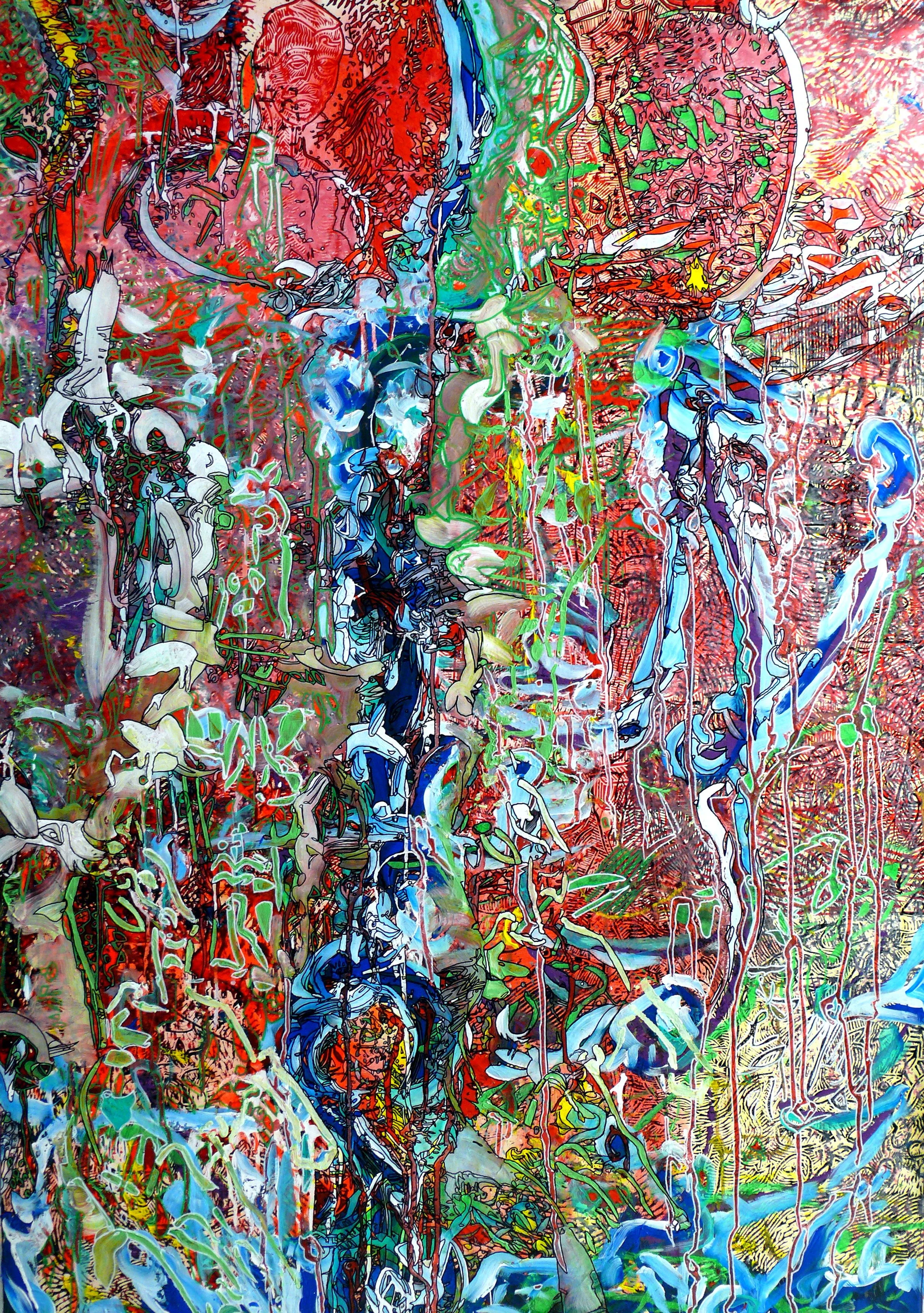
Bio Signature
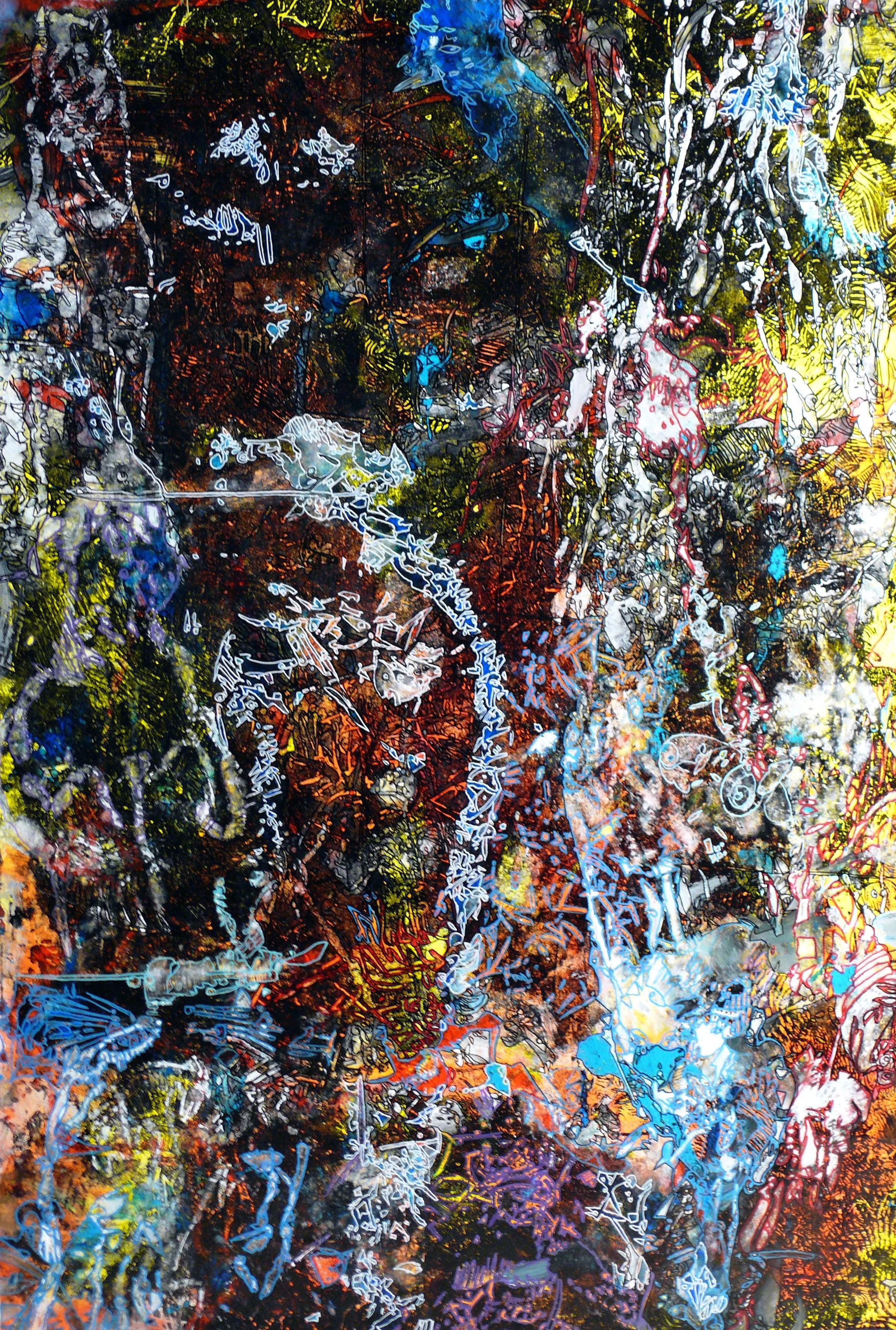
Carbon + Chauvinism
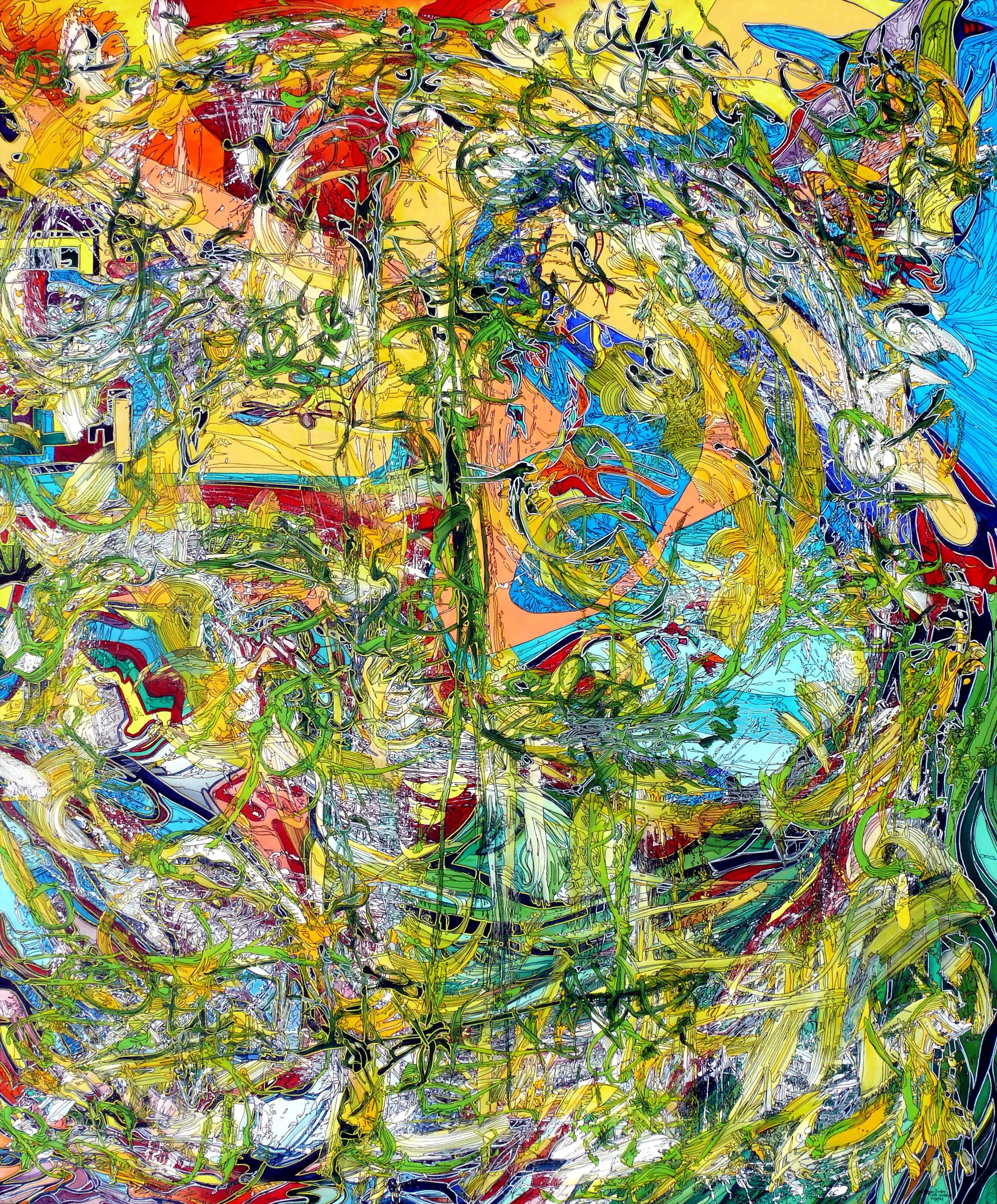
Genetic + Revolution
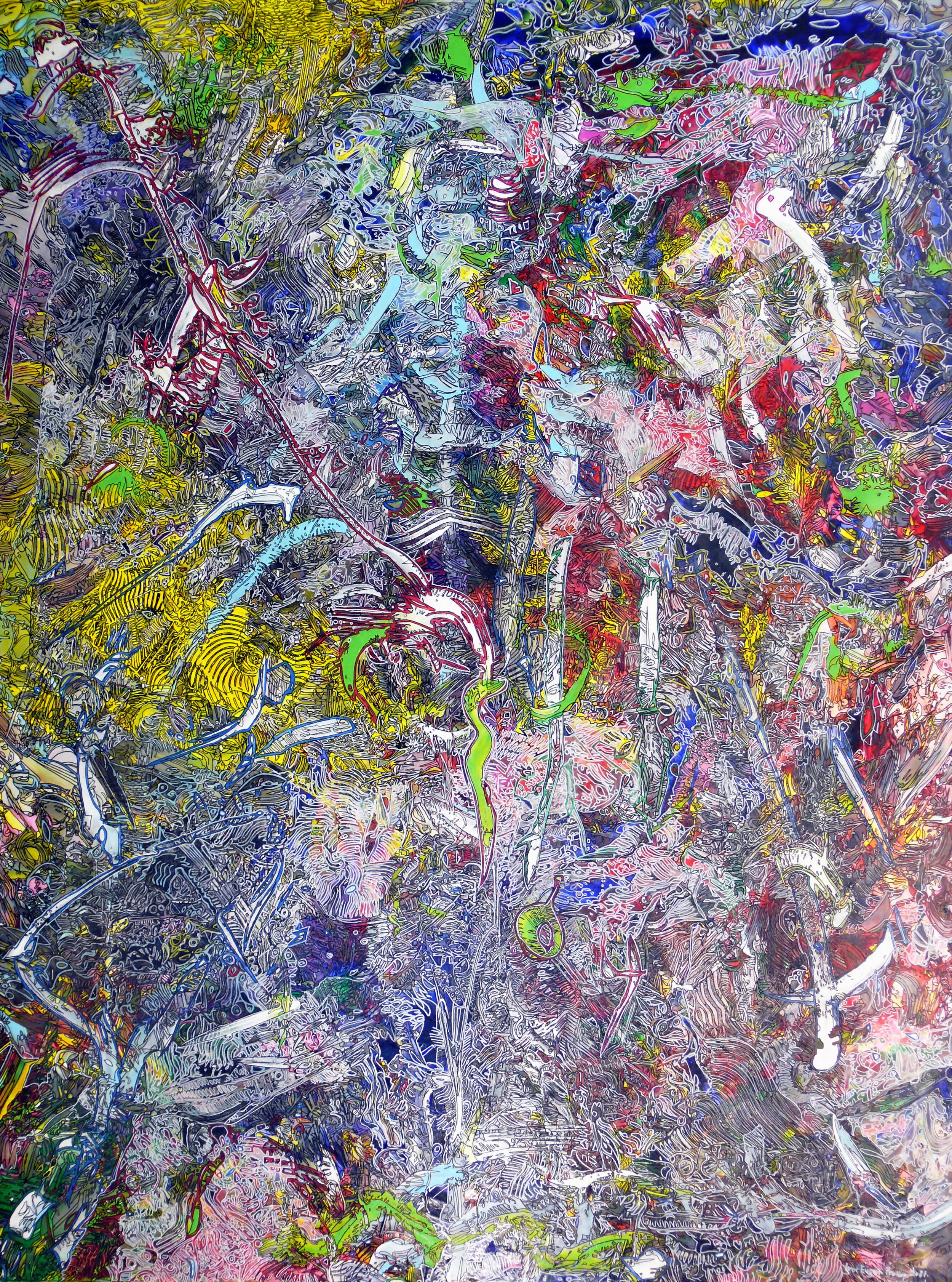
Privilege To Be Alive + To Think + To Be Happy + To Love
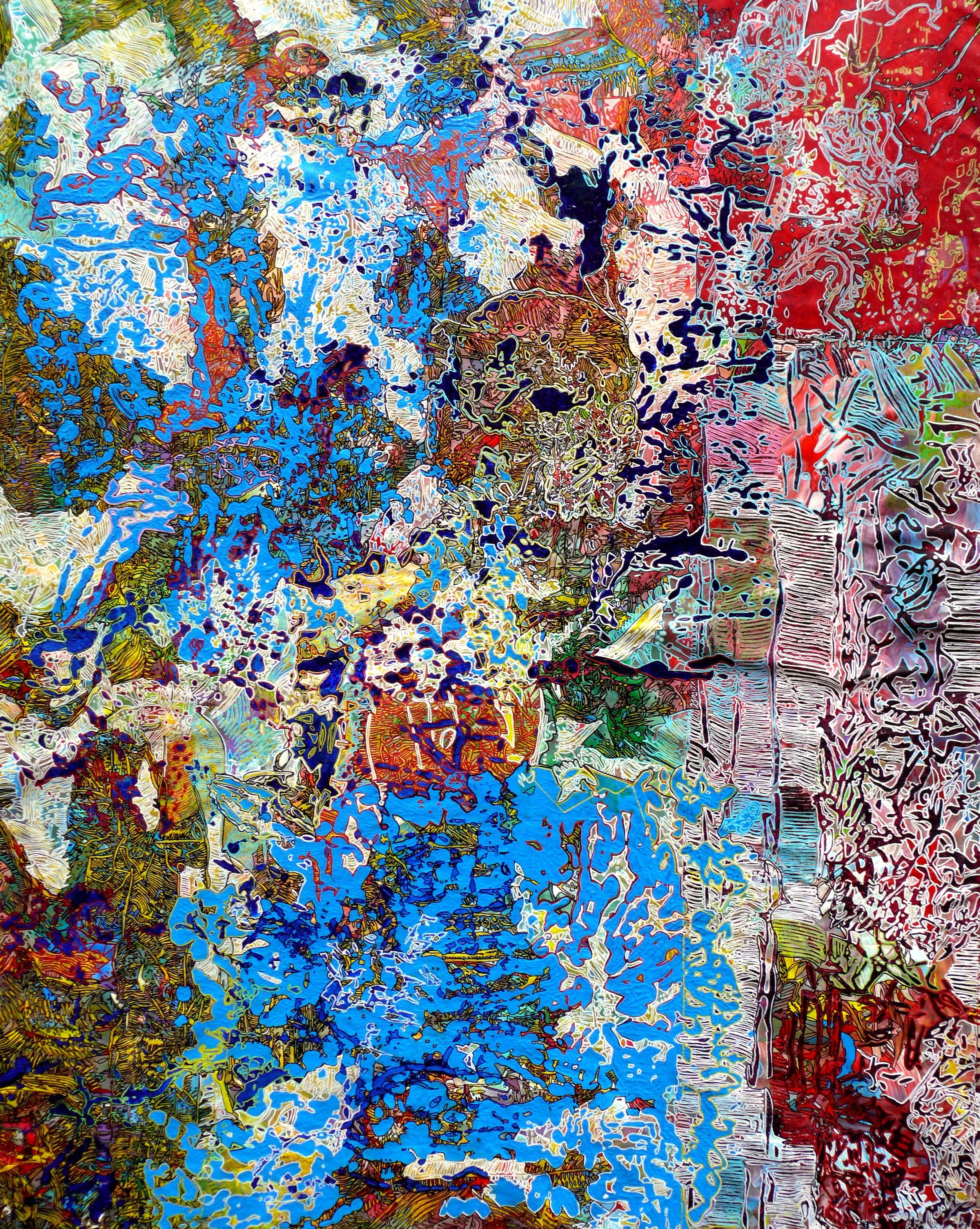
Telepathic Commumication Through The Quantum Channel of the Subconscious
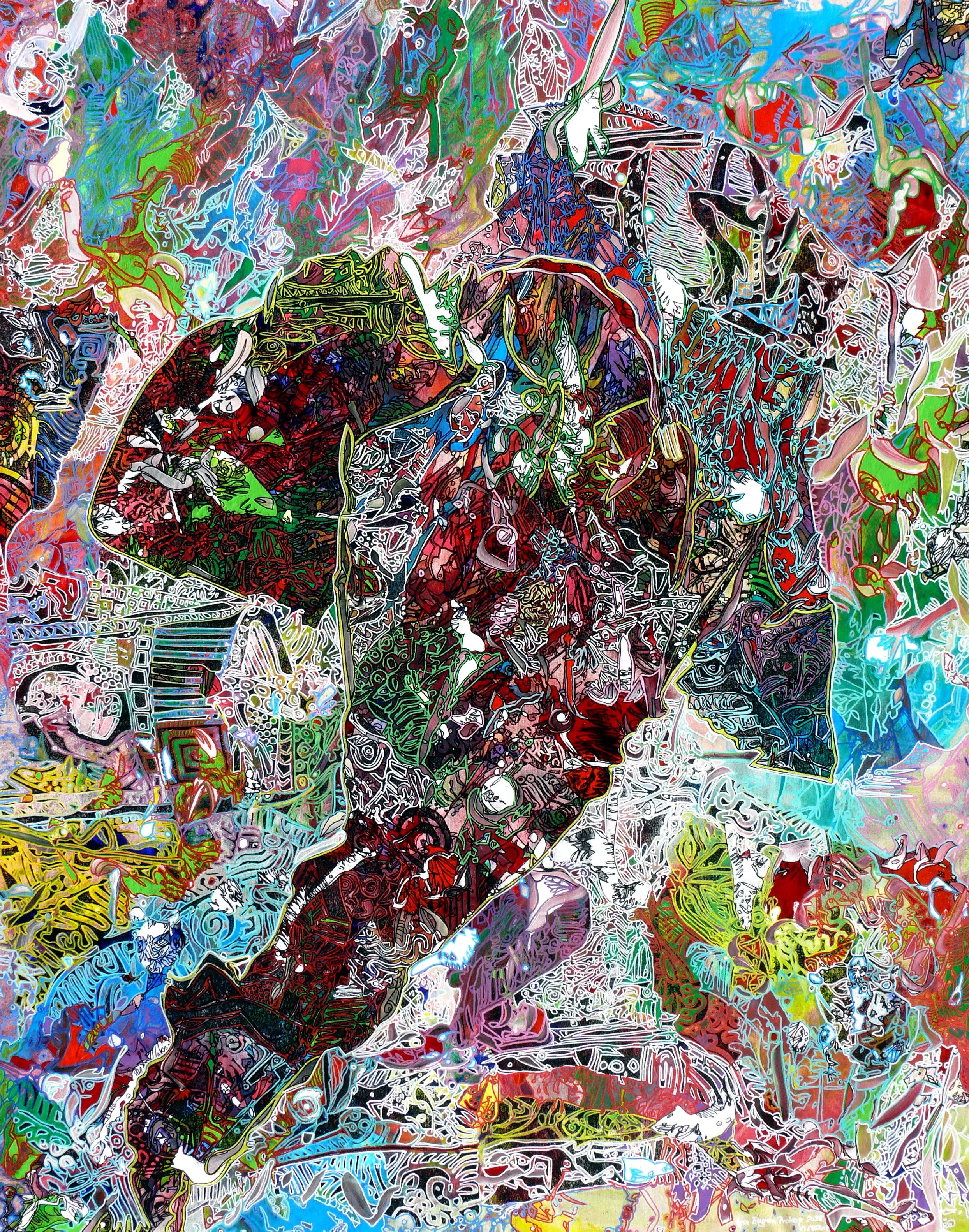
The All Genetic Information of Life on Earth is Flying to Aliens